
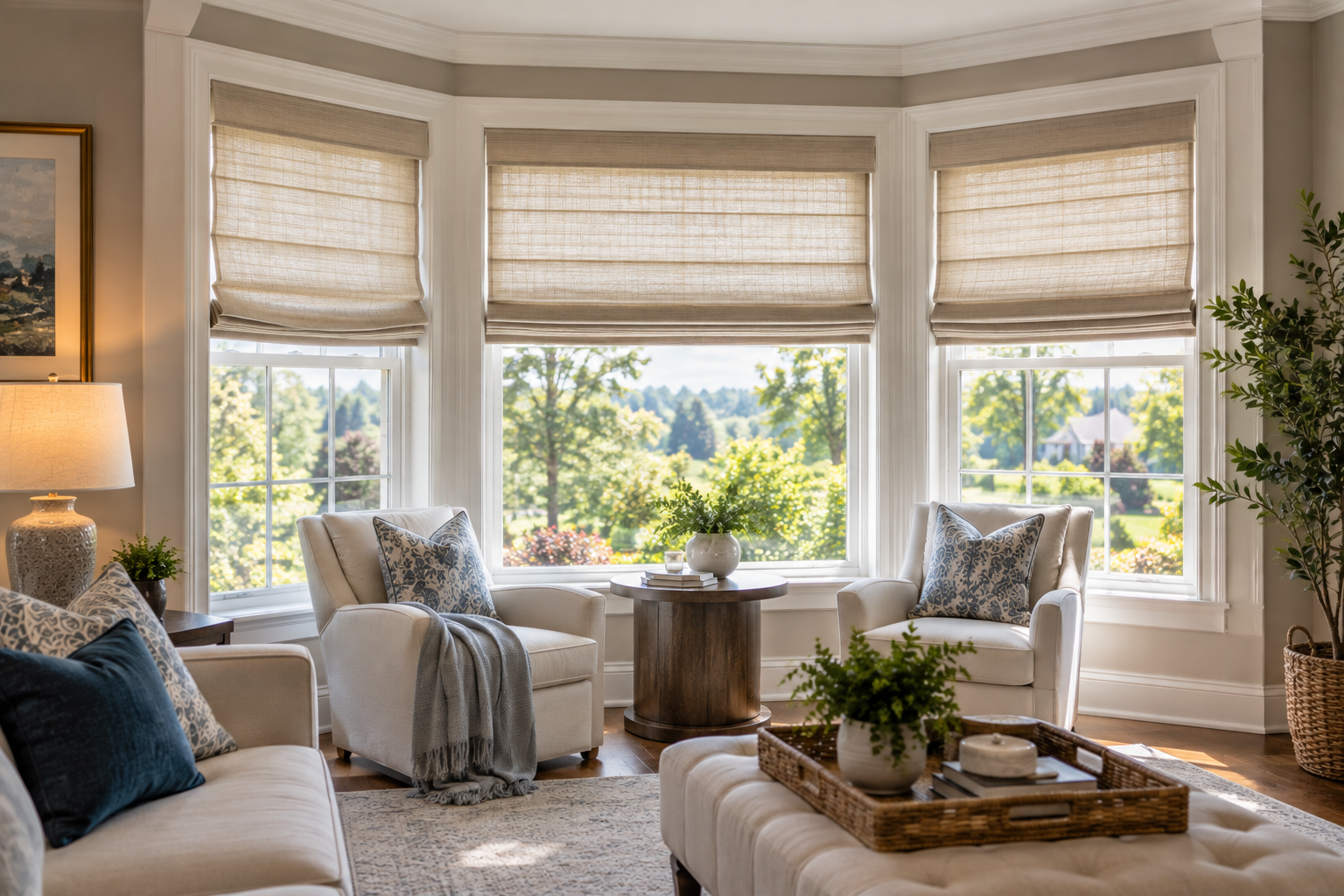
Layered Window Treatments for Kentucky Homes

Rebecca Farris • October 20, 2026

Share this article

Layered Window Treatments:

Blinds, Shades & Drapery


Layered window treatments combine two or more types of window coverings to create a more finished look while improving privacy, light control, comfort, and flexibility.


Instead of asking one treatment to do everything, homeowners can pair functional blinds or shades with custom drapery. The blind or shade manages everyday sunlight and privacy, while drapery adds softness, color, texture, and another layer of light control.


For homes in Louisville, Lexington, and throughout Central Kentucky, layering can also make windows more adaptable to changing seasons and changing light throughout the day.


Window Fashions on Wheels helps homeowners create layered window treatments that look intentional rather than simply placing multiple products on the same window. Rebecca Farris can bring fabrics, materials, colors, and finishes directly to your home so you can see how the entire combination works with your interior.


Bright living room with beige sofas, coffee table, and large sunlit windows with woven shades and custom drapery.

What Are Layered Window Treatments?


Layered window treatments use multiple window coverings together to combine function and interior design.


One of the most common approaches is installing a blind or shade close to the glass and adding custom drapery around the window.


The inner treatment handles practical needs such as:


  • Privacy
  • Glare reduction
  • Sunlight control
  • Room darkening
  • Insulation
  • View management


The outer drapery layer can add softness, pattern, color, texture, and visual height.


The result is a window that can change throughout the day rather than having only an open-or-closed option.


Can You Put Custom Drapery Over Blinds?


Yes. Drapery with blinds is a classic layered window treatment that combines adjustable light control with the softer appearance of fabric.


Wood or faux wood blinds can provide excellent everyday privacy because their slats can be tilted as sunlight and sightlines change. Custom drapery can then frame the window and introduce a decorative element that blinds alone do not provide.


This combination can work especially well in living rooms, dining rooms, bedrooms, and home offices.

The key is coordinating the materials.


If the blinds already have a strong wood grain or finish, the drapery should complement rather than compete with them. A neutral blind can also provide a quiet foundation for a more distinctive fabric, pattern, or color.


Bright bedroom with bed, armchair, lamp, and large window with beige curtains and roman shades.

Can You Layer Curtains Over Shades?


Yes. Pairing custom curtains or drapery with shades is one of the most versatile ways to create layered window treatments.


Different types of shades create very different combinations.


Roman shades and drapery provide a particularly soft, fabric-rich appearance. Roller shades can create a cleaner backdrop that allows the drapery to become the primary decorative feature.


Cellular shades can provide insulation and privacy while drapery gives the window a more complete designer look.


Solar shades can manage glare and strong sunlight while decorative panels soften the overall appearance of the room.


Because there are so many possible combinations, the best pairing depends on what you want the inner treatment to accomplish.


Can Layered Window Treatments Improve Privacy?


Yes. Layering can provide multiple levels of privacy throughout the day.


A blind or shade can provide everyday coverage while still allowing homeowners to adjust the amount of daylight entering the room.


When greater privacy is needed, the drapery can provide an additional layer.


This flexibility can be particularly useful for street-facing living rooms, bedrooms, dining rooms, and homes where neighboring properties are relatively close.


The fabric and opacity matter, however. A light-filtering shade will behave differently after dark than a room-darkening treatment. During an in-home consultation, Rebecca can help evaluate how much privacy a room actually needs during both daytime and evening hours.


Sunlit living room with beige sofas, large windows, curtains with solar shades, and indoor plants

Can Layering Window Treatments Help With Light Control?


Yes. One of the biggest advantages of layered window treatments is having more than one way to manage natural light.


Consider a living room that receives strong afternoon sunlight. A solar or roller shade might be lowered during the brightest part of the day to manage glare.


Later, the shade can be raised to restore the outdoor view while drapery remains open and frames the window.


In a bedroom, a shade can provide the primary room-darkening function while drapery adds another level of coverage and softness.


This flexibility is particularly useful when the amount and direction of sunlight change significantly throughout the day.


Can Layered Window Treatments Help With Energy Efficiency?


Layered treatments can add additional material between the room and the window, which may help improve comfort, although performance depends on the specific products and how they are installed.


Cellular shades are particularly well suited to applications where insulation is a priority because their honeycomb structure creates insulating air pockets.


Adding properly selected drapery creates another layer at the window.


For Kentucky homeowners dealing with hot summer afternoons and colder winter temperatures, that flexibility can make certain rooms more comfortable throughout the year.


Energy efficiency should still be considered alongside privacy, light control, window orientation, and design rather than choosing a treatment based on one factor alone.


Woman standing by large windows, holding a window treatment remote,  in a cozy living room.

Can Layered Window Treatments Be Motorized?


Yes. Motorized shades can be incorporated into many layered window treatment designs.


This combination gives homeowners the convenience of automated window shades while preserving the decorative appearance of custom drapery.


Motorization can be particularly useful for:


  • Large windows
  • Tall windows
  • Hard-to-reach windows
  • Frequently adjusted shades
  • Multiple windows in one room


A streamlined motorized shade can operate behind stationary decorative panels, giving the window a polished appearance without sacrificing convenience.


Available motorization options depend on the selected treatment and installation requirements.


Where Can You Find Designer Window Treatments in

Louisville and Lexington?


Window Fashions on Wheels provides custom blinds, shades, shutters, drapery, fabrics, and layered window treatments for homeowners in Louisville, Lexington, and surrounding Central Kentucky communities.


Instead of choosing each product separately, Rebecca Farris can help consider the entire window as part of the room.


During an in-home consultation, you can compare fabrics and window treatment samples against your actual wall colors, flooring, furniture, natural light, and existing décor. Rebecca can also evaluate how the window is used throughout the day before recommending a combination.


Professional measuring and installation complete the process so each layer is properly sized and positioned.


Ready to create a more finished look for your windows? Window Fashions on Wheels brings the showroom directly to your Louisville or Lexington home. Schedule a free in-home consultation to explore custom drapery, blinds, shades, motorization, and layered window treatments designed around your home.


Frequently Asked Questions About Layered Window Treatments


  • Q: Can you have blinds and curtains on the same window?

    A: Yes. Blinds and curtains are commonly used together. The blinds provide adjustable privacy and light control, while the curtains or drapery add softness, color, texture, and another level of coverage.

  • Q: Can you put curtains over roller shades?

    A: Yes. Roller shades work especially well with drapery because their streamlined design provides functional coverage without visually competing with the fabric.

  • Q: Are Roman shades and curtains too much together?

    A: Not when the fabrics, colors, patterns, and proportions are carefully coordinated. Roman shades and drapery can create a sophisticated layered look, particularly in living rooms, dining rooms, and bedrooms.

  • Q: Do layered window treatments provide more privacy?

    A: They can. Using two treatments gives homeowners more flexibility to adjust privacy at different times of day. The exact level of privacy depends on the fabrics and products selected.

  • Q: Do all windows in a room need layered treatments?

    A: Not necessarily. The treatments should make sense for the architecture and function of each window. Coordinating the overall appearance is usually more important than making every window identical.

  • Q: Can motorized shades be used behind drapery?

    A: Yes. Motorized shades can be paired with custom drapery in many applications, providing automated operation while maintaining a softer, designer appearance.

Recent Posts

Bright living room with bay windows, beige decor, and a view of trees outside
By Rebecca Farris • October 2, 2026
Explore window treatments for bay windows, arches, and specialty windows in Louisville and Lexington, KY. Compare custom blinds, shades, shutters, and more.
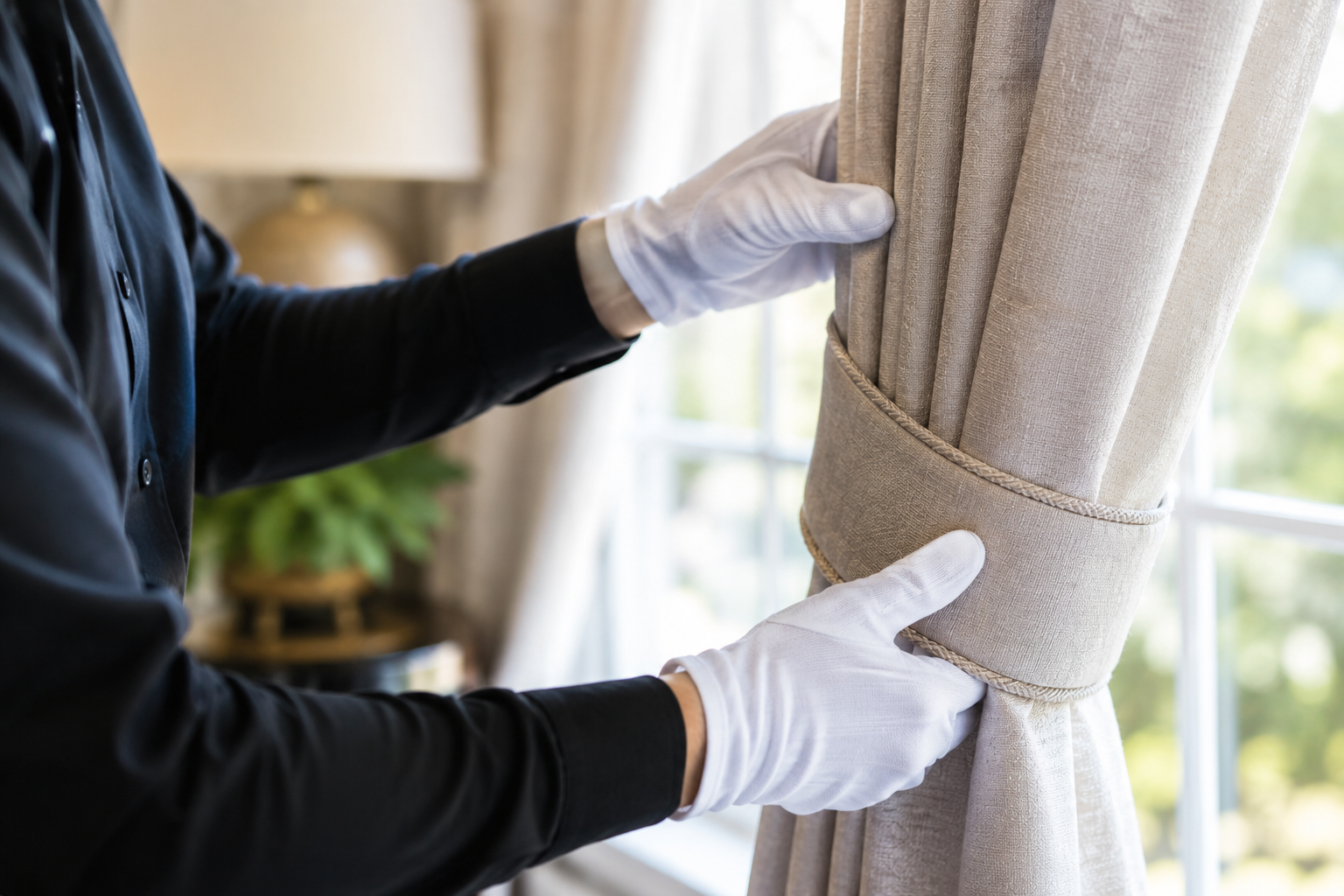
Gloved hands adjusting beige curtains beside a bright window
By Rebecca Farris • September 25, 2026
Discover white-glove window treatment installation in Louisville and Lexington, KY, with professional measuring, expert installation, and personalized service.
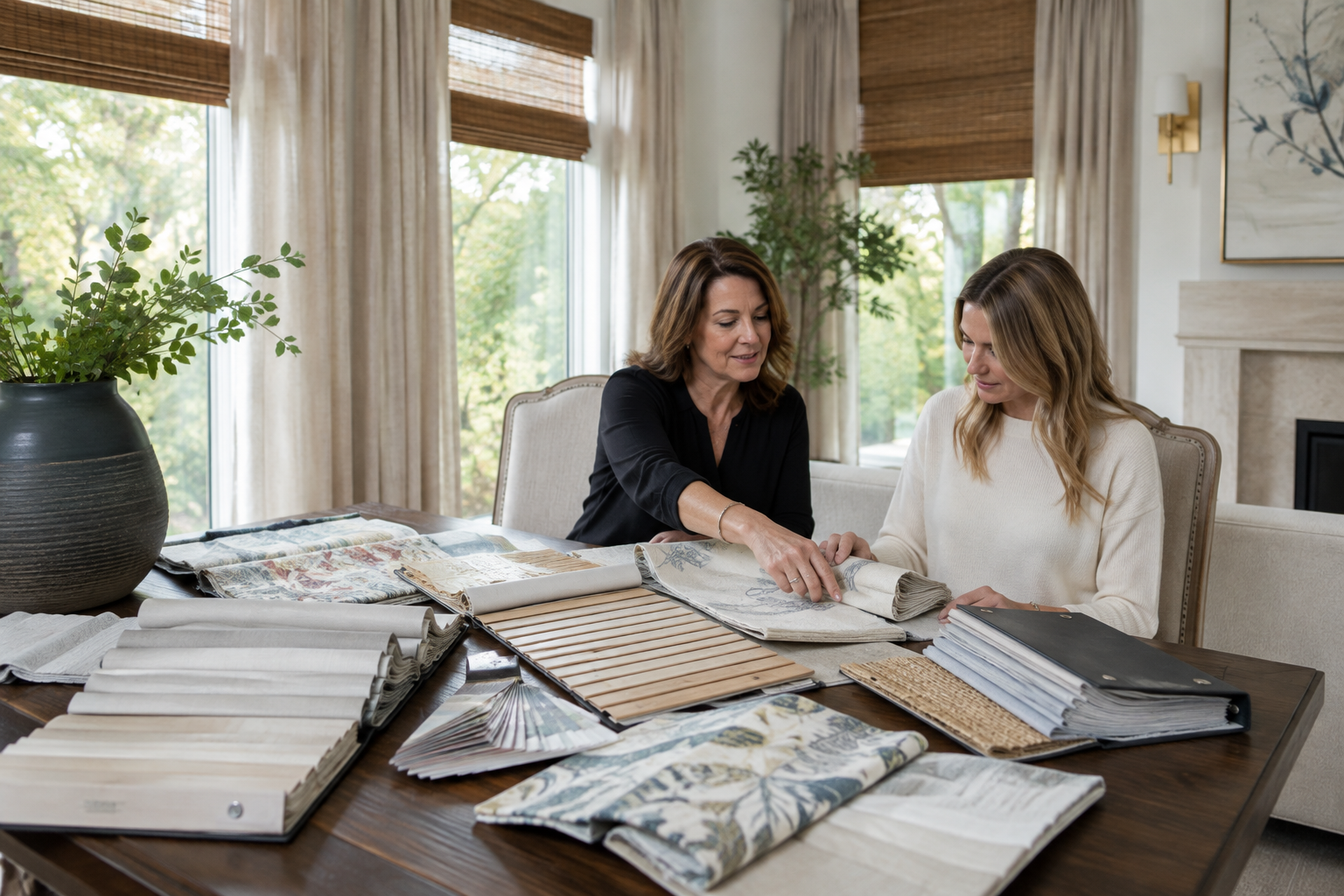
Two people reviewing fabric swatches at a table in a bright home interior
By Rebecca Farris • September 11, 2026
Learn how to choose window treatments for your Louisville or Lexington, KY, home. Compare blinds, shades, shutters, drapery, privacy, light control, and more.
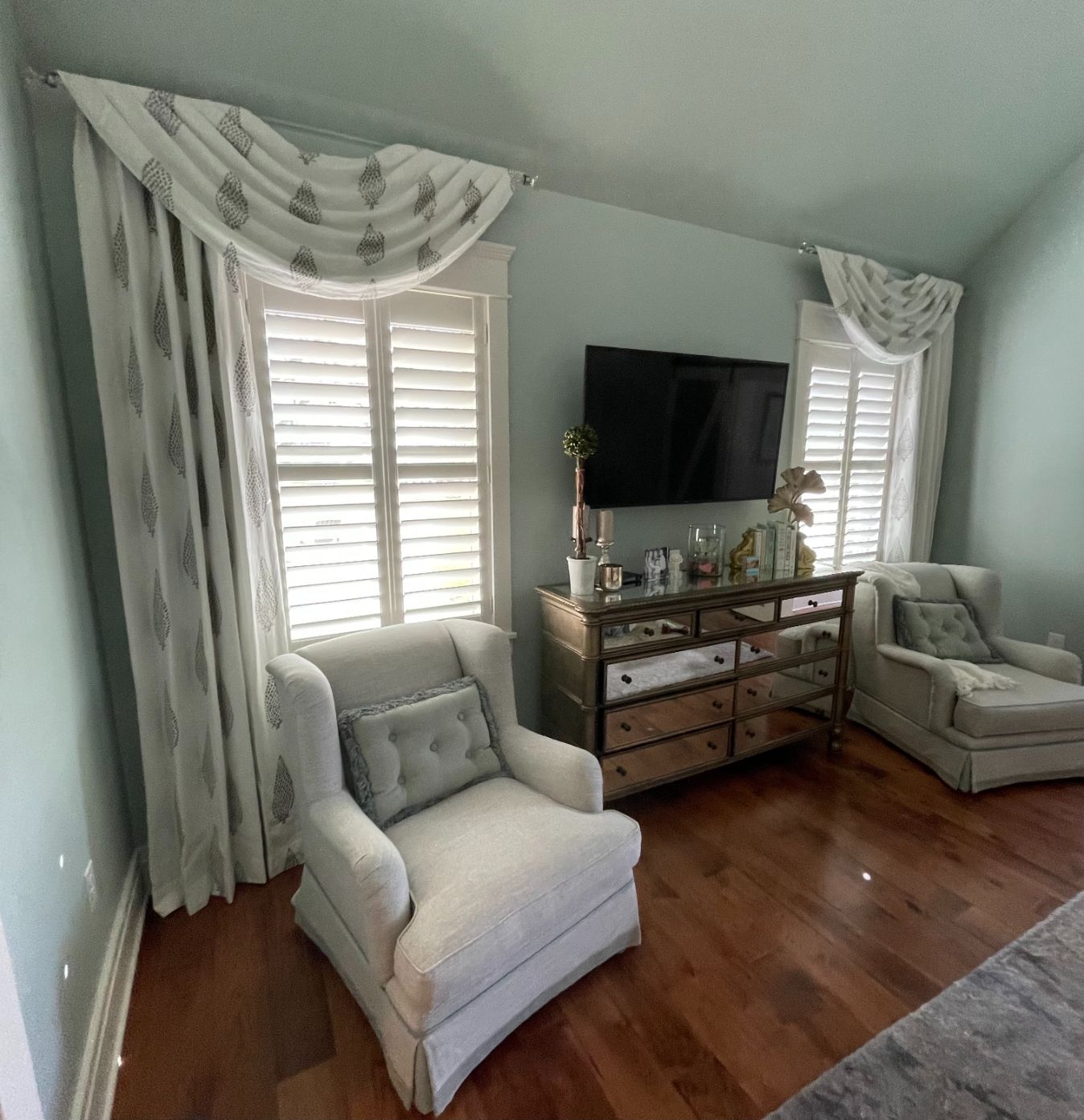
Bright living room with pale armchairs, white curtains, wooden dresser, wall-mounted TV, and hardwood floors
By Rebecca Farris • August 27, 2026
Explore custom drapery in Louisville, Kentucky, for living and dining rooms. Discover fabrics, layered window treatments, design ideas, and custom-fit curtains.
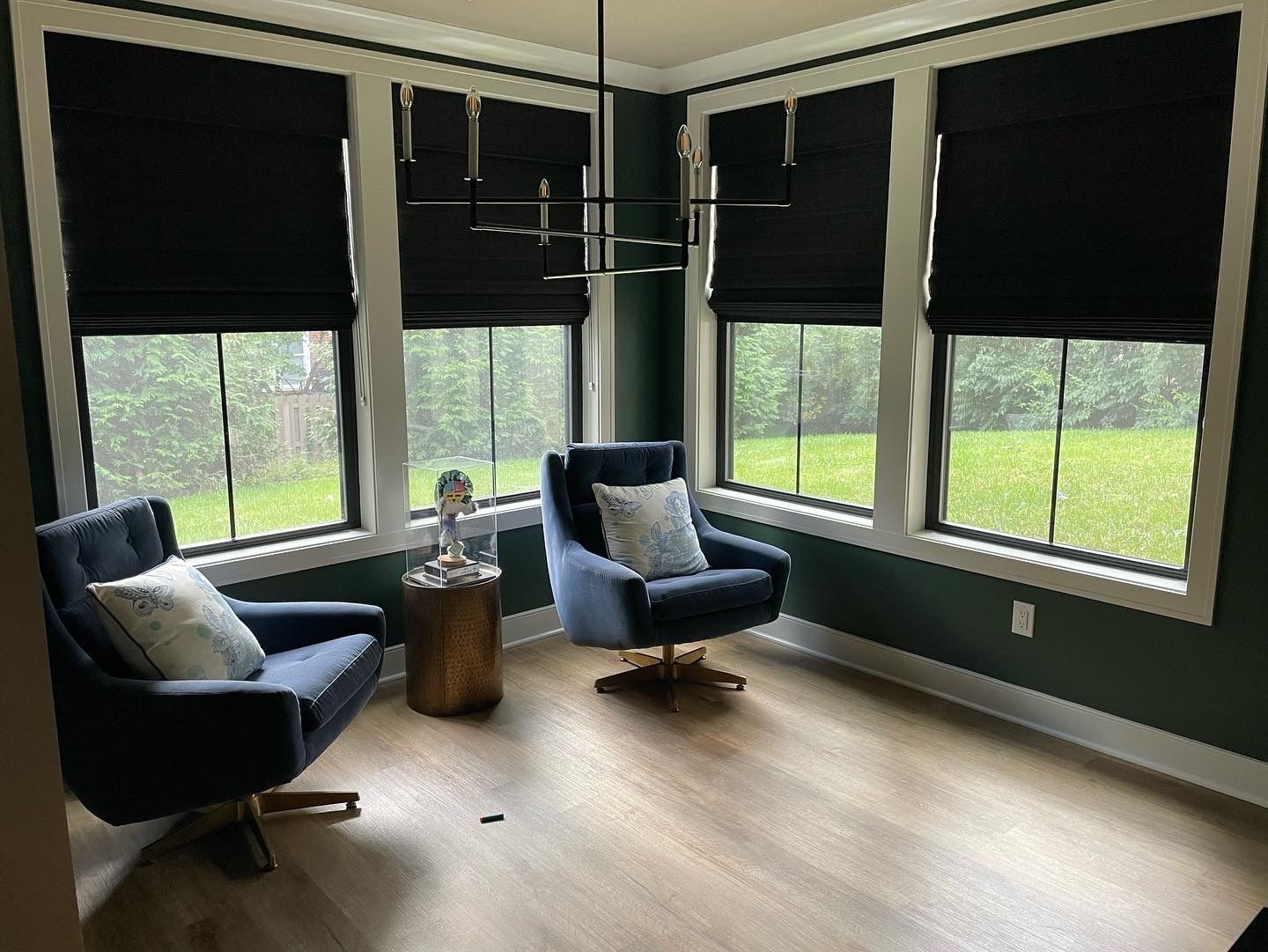
Cozy corner room with two blue chairs, a small table, large windows, and green lawn outside.
By Rebecca Farris • August 12, 2026
Compare motorized blinds, smart blinds, automated window shades, and manual options for Louisville and Lexington homes. Learn which choice fits your windows.
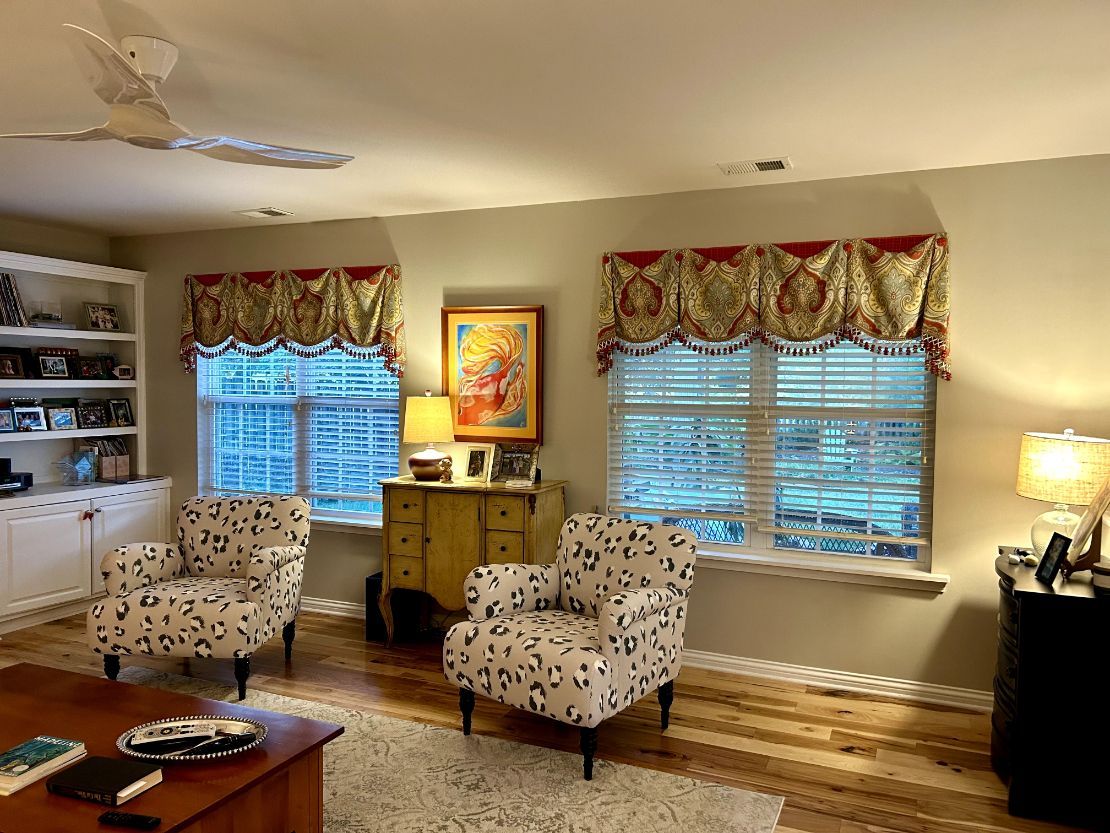
Living room with floral chairs, wooden cabinet, lamps, and sunlit windows with patterned valances
By Rebecca Farris • July 15, 2026
Discover custom window blinds in Lexington KY. Learn about wood, faux wood, and vertical blinds, plus how professional measuring improves fit and performance.
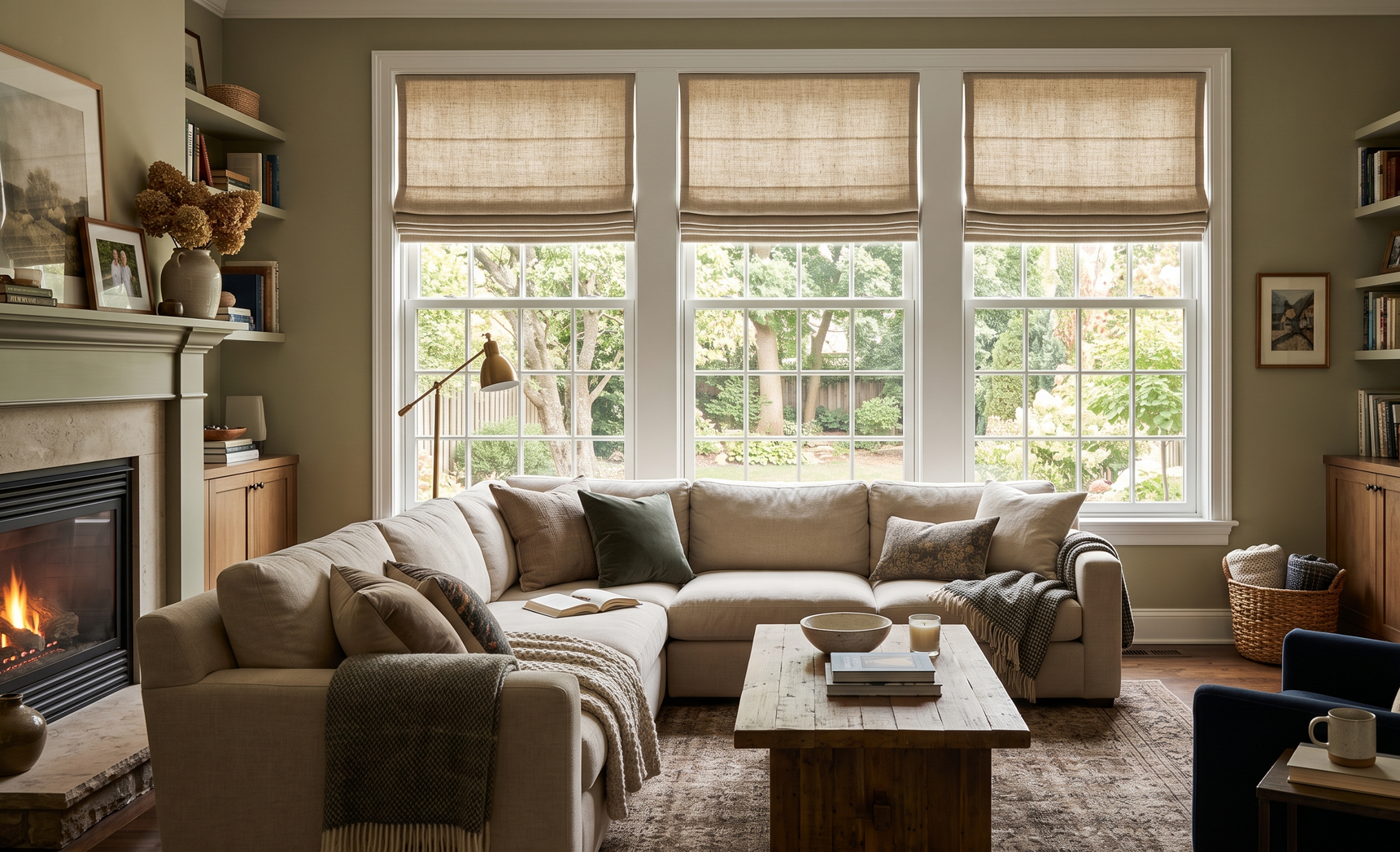
Cozy living room with a lit fireplace, large windows, beige sofa, and a wooden coffee table.
By Rebecca Farris • July 15, 2026
Explore custom Roman shades in Louisville, KY. Learn styles, fabrics, privacy benefits, and how to choose the perfect light filtering shades for your home.
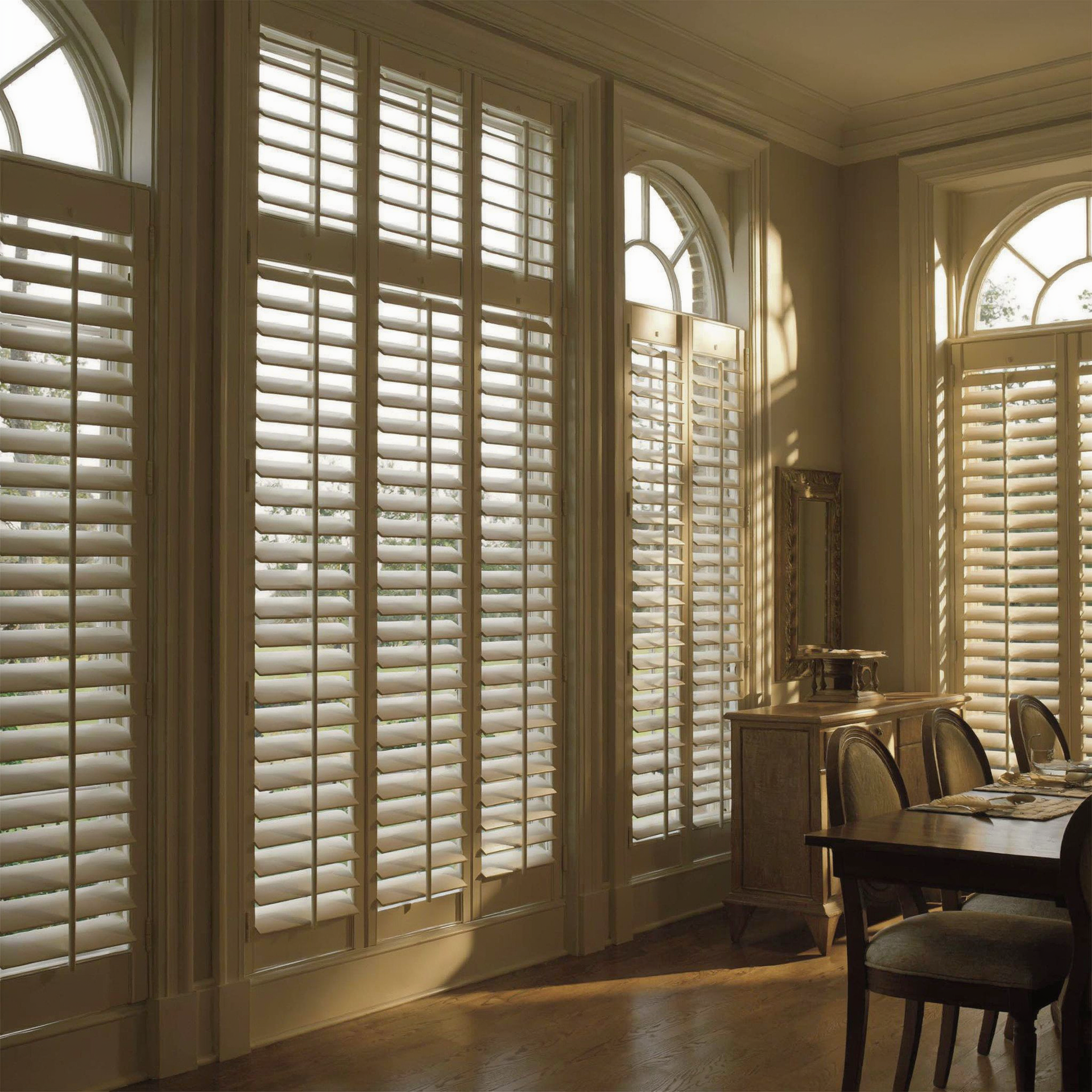
Sunlit room with tall arched windows, white shutters, and a wooden dining table and chairs
By Rebecca Farris • June 15, 2026
Discover the best privacy window treatments, light filtering shades, and privacy blinds for windows. Enjoy natural light while maintaining comfort and privacy.
Bright kitchen with wooden cabinets, farmhouse sink, window blinds, and a central island with stools
By Rebecca Farris • June 3, 2026
Learn the differences between window blinds and shades, explore popular styles, and discover which custom window treatments are best for your Louisville home.
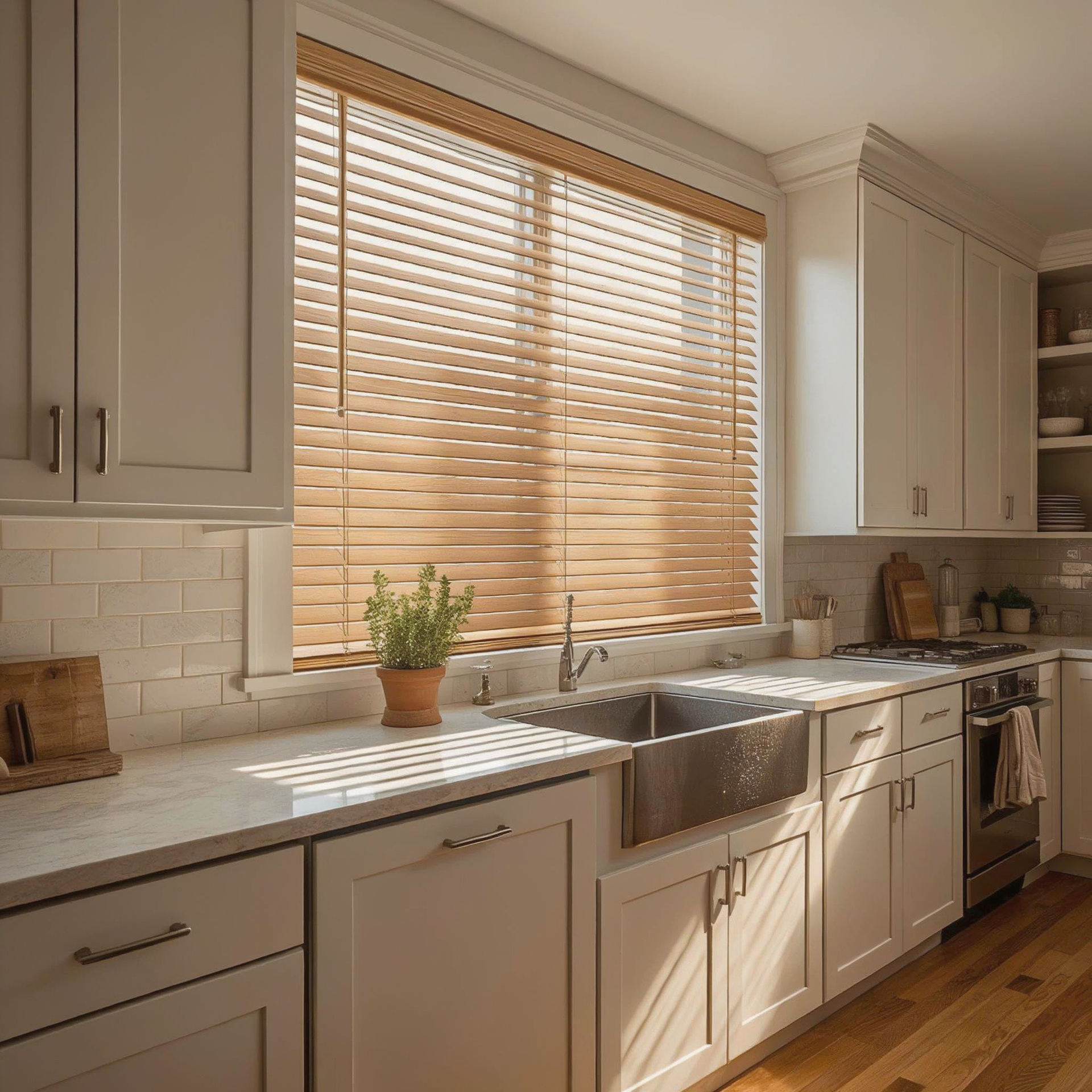
Bright kitchen with white cabinets, farmhouse sink, faux wood blinds, and a wooden countertop.
By Rebecca Farris • May 20, 2026
Discover why faux wood blinds are the best moisture-resistant blinds for kitchens and bathrooms in Louisville, KY. Stylish, durable, and very easy to maintain.
Show More