Window Blinds vs Shades: Complete Buying Guide
What Is the Difference Between Window Blinds
and Shades?
One of the most common questions homeowners ask when shopping for new window treatments is: what is the difference between window blinds and shades?
While both serve the same basic purpose—controlling light, privacy, and comfort—they function very differently.
Window blinds are made with individual slats that tilt open and closed to control sunlight and visibility. Shades are constructed from continuous pieces of fabric that raise and lower as a single unit.
Both options offer unique advantages, and the right choice often depends on your home's style, your privacy needs, and how you use each room.
For Louisville and Lexington homeowners, understanding the differences between window blinds and shades is the first step toward selecting a custom solution that will look beautiful and perform well for years to come.

What Are the Different Types of Window Blinds?
Window blinds remain one of the most versatile and popular window treatment choices available today. They offer excellent light control, durability, and a wide range of design options.
Several types of window blinds are commonly installed in Kentucky homes.
Wood Blinds
Wood blinds are valued for their natural beauty and warmth. Crafted from genuine hardwood, they bring richness and character to living rooms, dining rooms, home offices, and bedrooms.
Their adjustable slats provide precise light control while creating a timeless, upscale appearance.
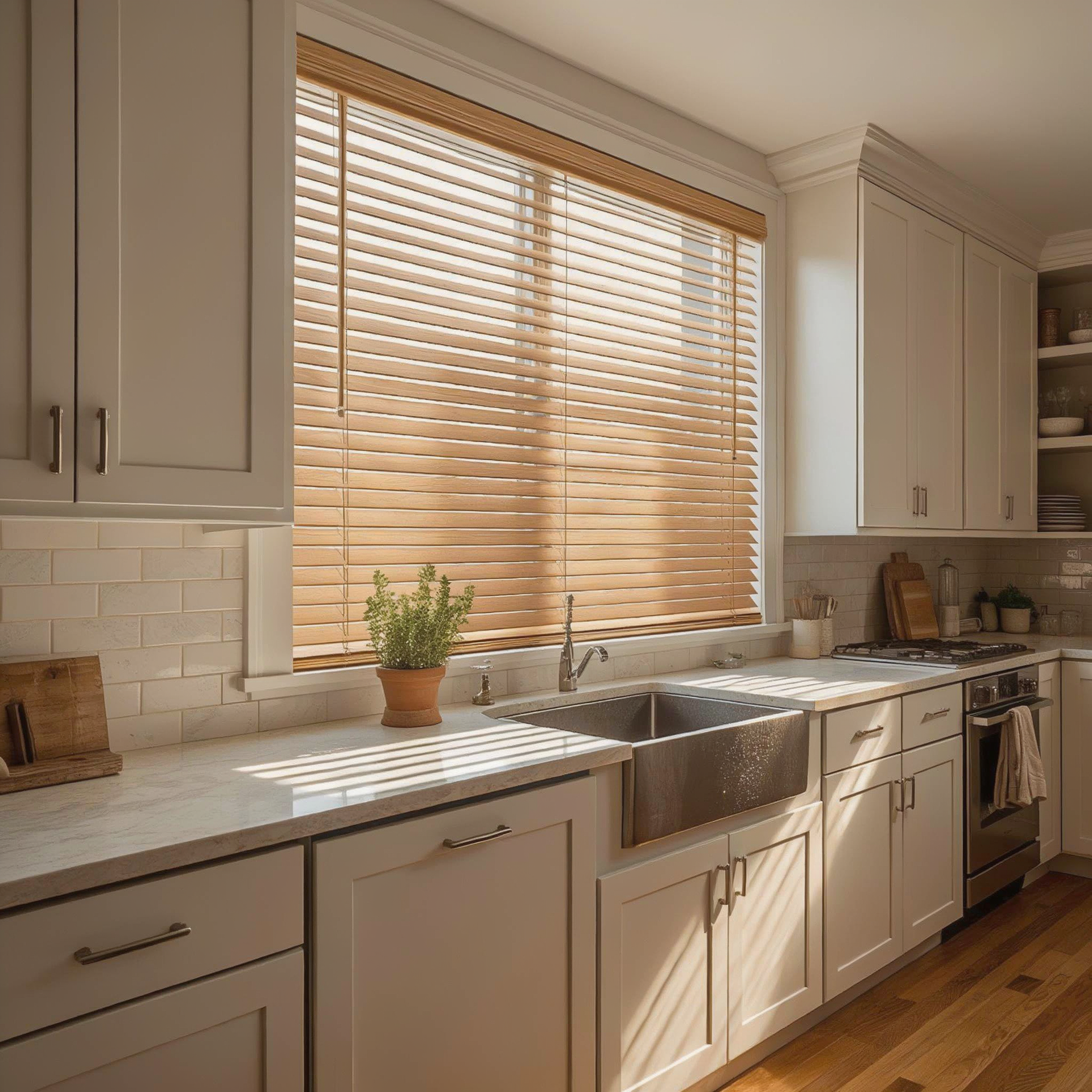
Faux Wood Blinds
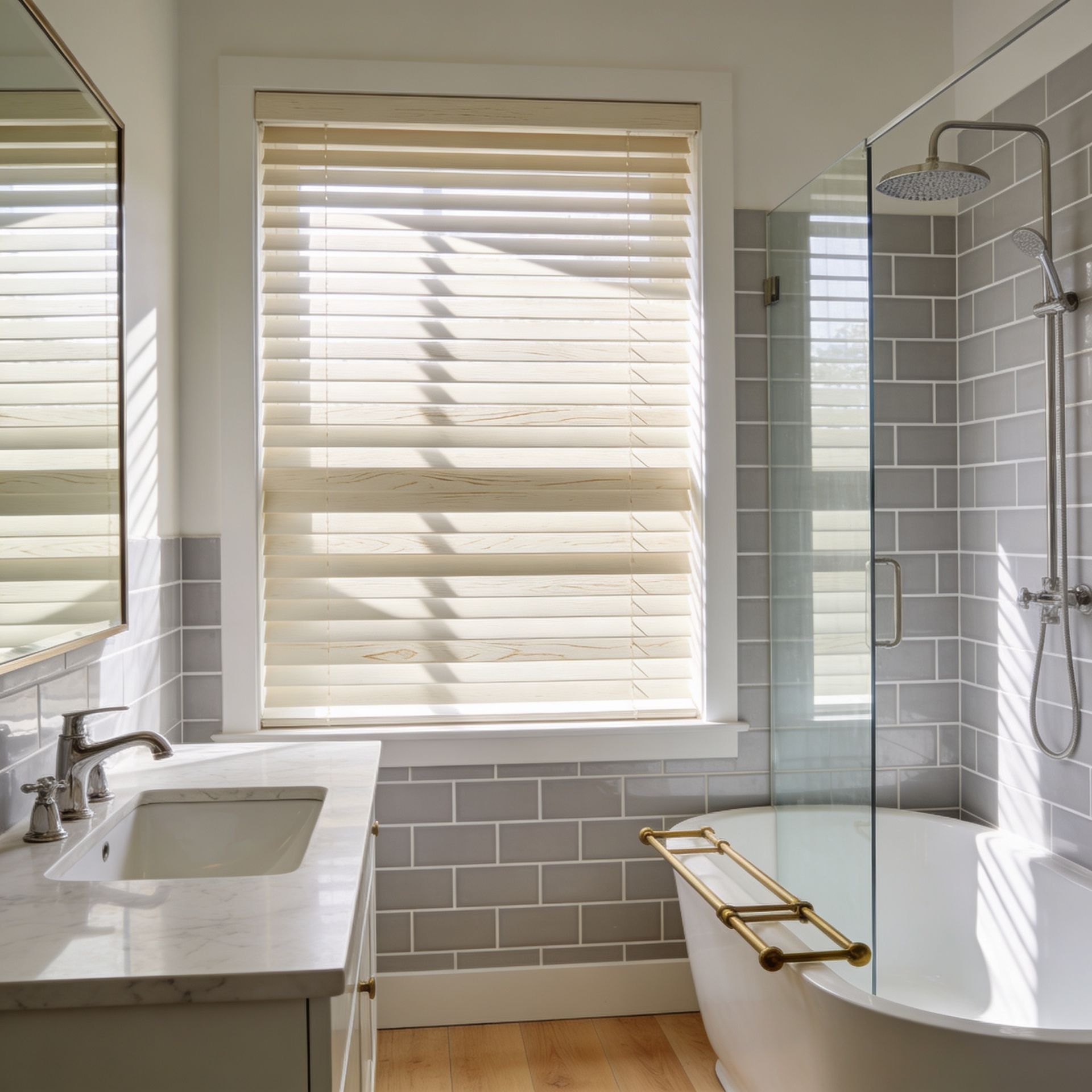
Faux wood blinds offer the look of real wood with enhanced durability and moisture resistance.
Because they stand up well to humidity, they are especially popular in kitchens, bathrooms, laundry rooms, and sunrooms. Many homeowners choose them because they provide the elegance of wood without the maintenance concerns.
Mini Blinds
Mini blinds remain a practical and affordable option for homeowners seeking simple functionality.
Available in a variety of colors and finishes, they work well in guest rooms, rental properties, offices, and utility spaces.
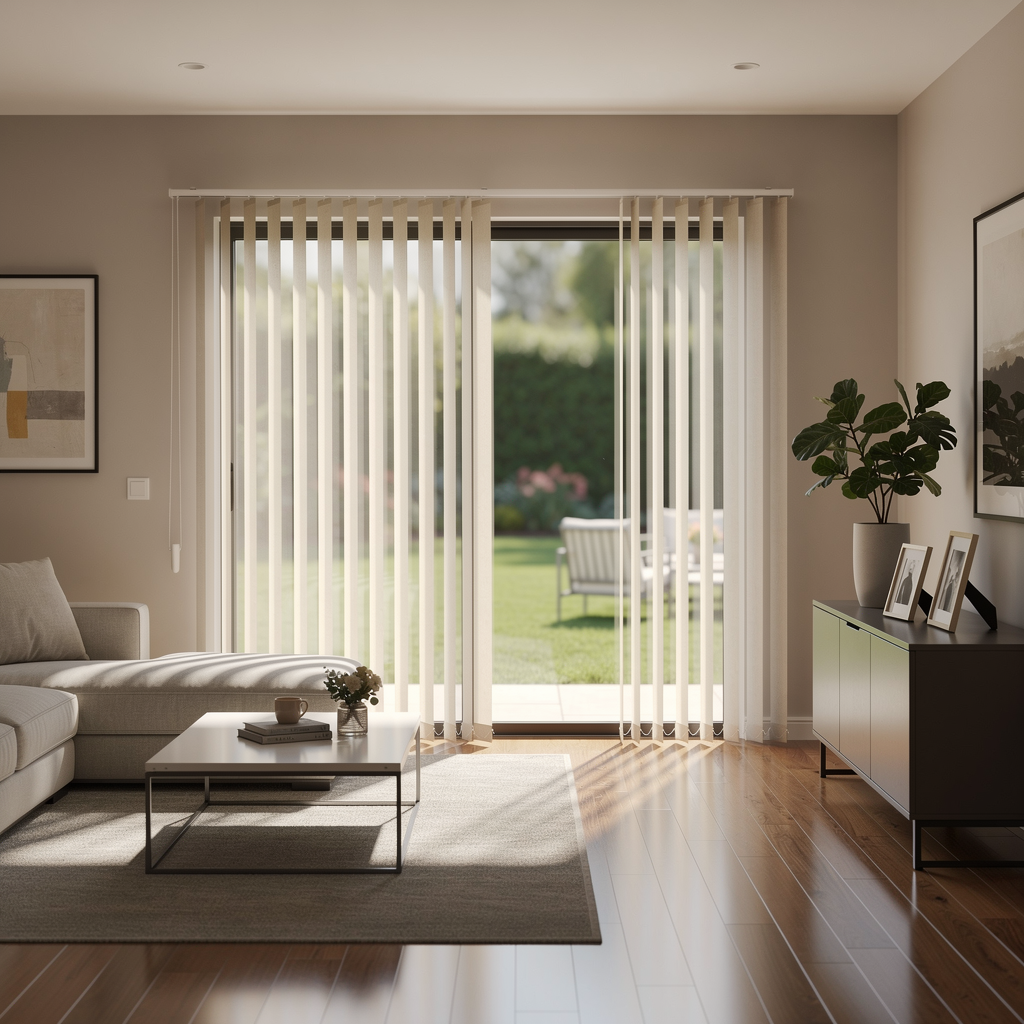
Vertical Blinds
Vertical blinds are designed specifically for wide openings such as sliding glass doors, patio doors, and oversized windows.
Their side-to-side operation makes them easy to use while providing excellent light control and privacy.

What Are the Different Types of Window Shades?
Window shades offer a softer appearance than blinds and are often chosen for their fabric options, energy efficiency, and decorative appeal.
Today's custom shades are available in a wide variety of styles to suit every room in the home.
Cellular Shades
Cellular shades, often called honeycomb shades, are among the most energy-efficient window treatments available.
Their unique cellular structure traps air, helping improve insulation during both hot Kentucky summers and cooler winter months.
They are a popular choice for bedrooms, living rooms, and large windows where comfort and efficiency are priorities.
Roller Shades
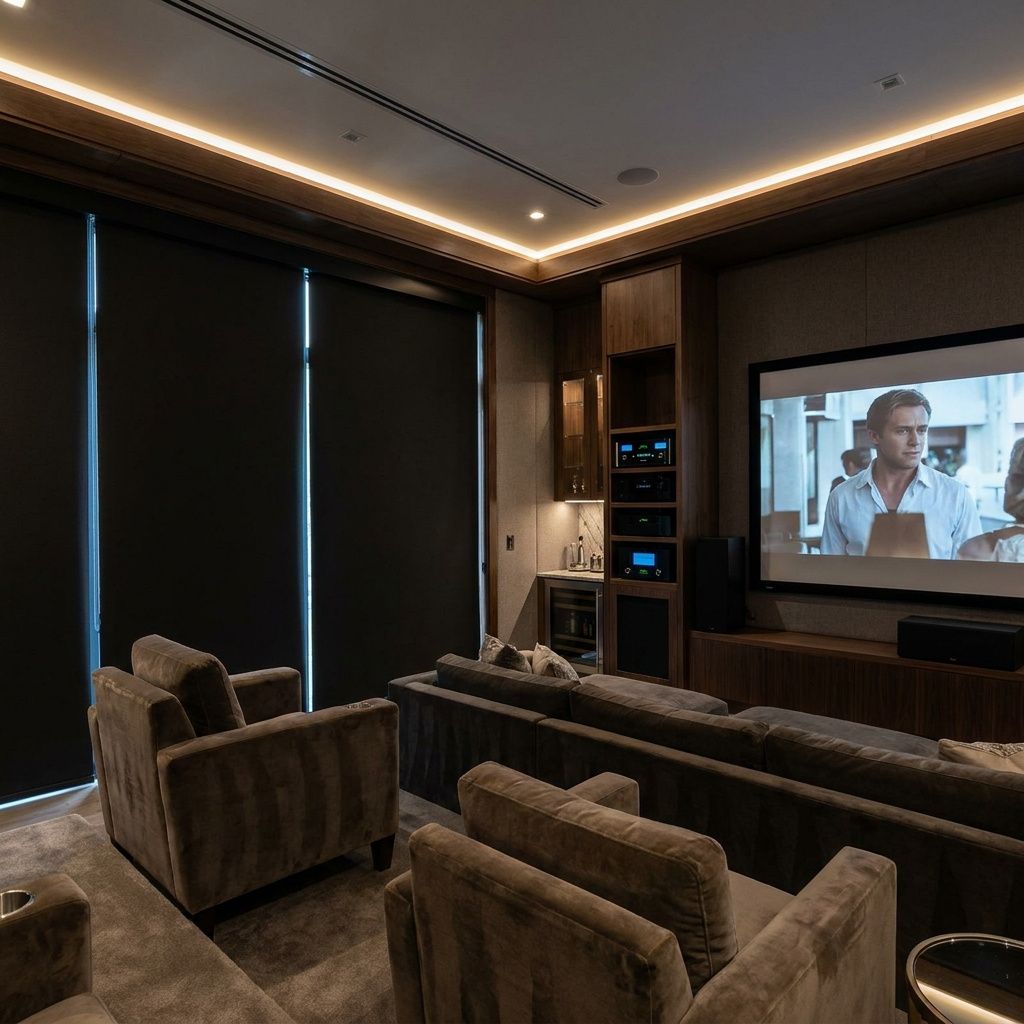
Roller shades feature a sleek, streamlined design that works beautifully in both modern and traditional homes.
Available in hundreds of fabrics, textures, and opacity levels, roller shades offer excellent versatility while maintaining a clean appearance.
Solar Shades
Solar shades are designed to reduce glare and block harmful UV rays while preserving your view.
They are especially useful in rooms with significant sunlight exposure and are frequently selected for sunrooms, large windows, and patio doors.
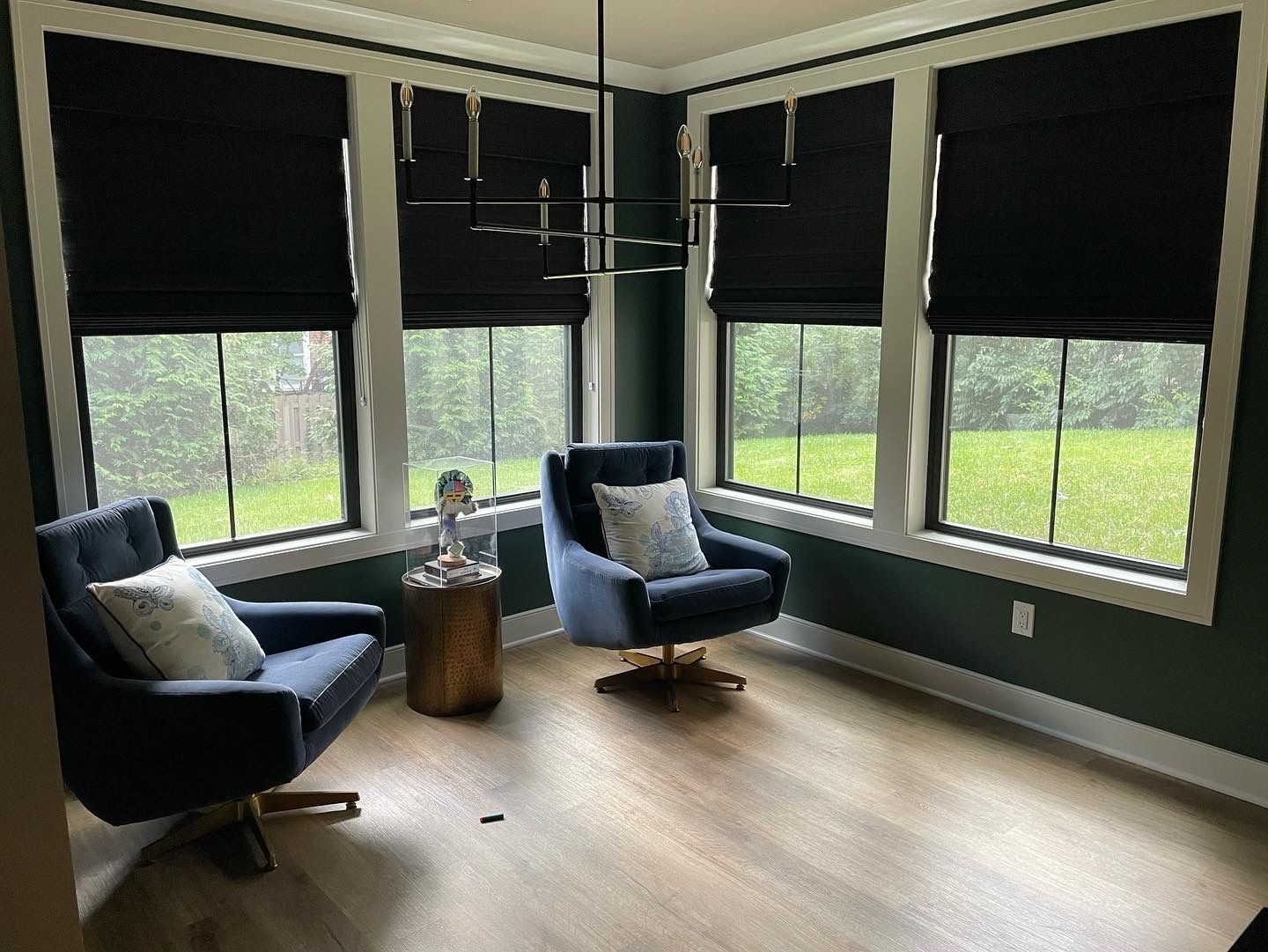
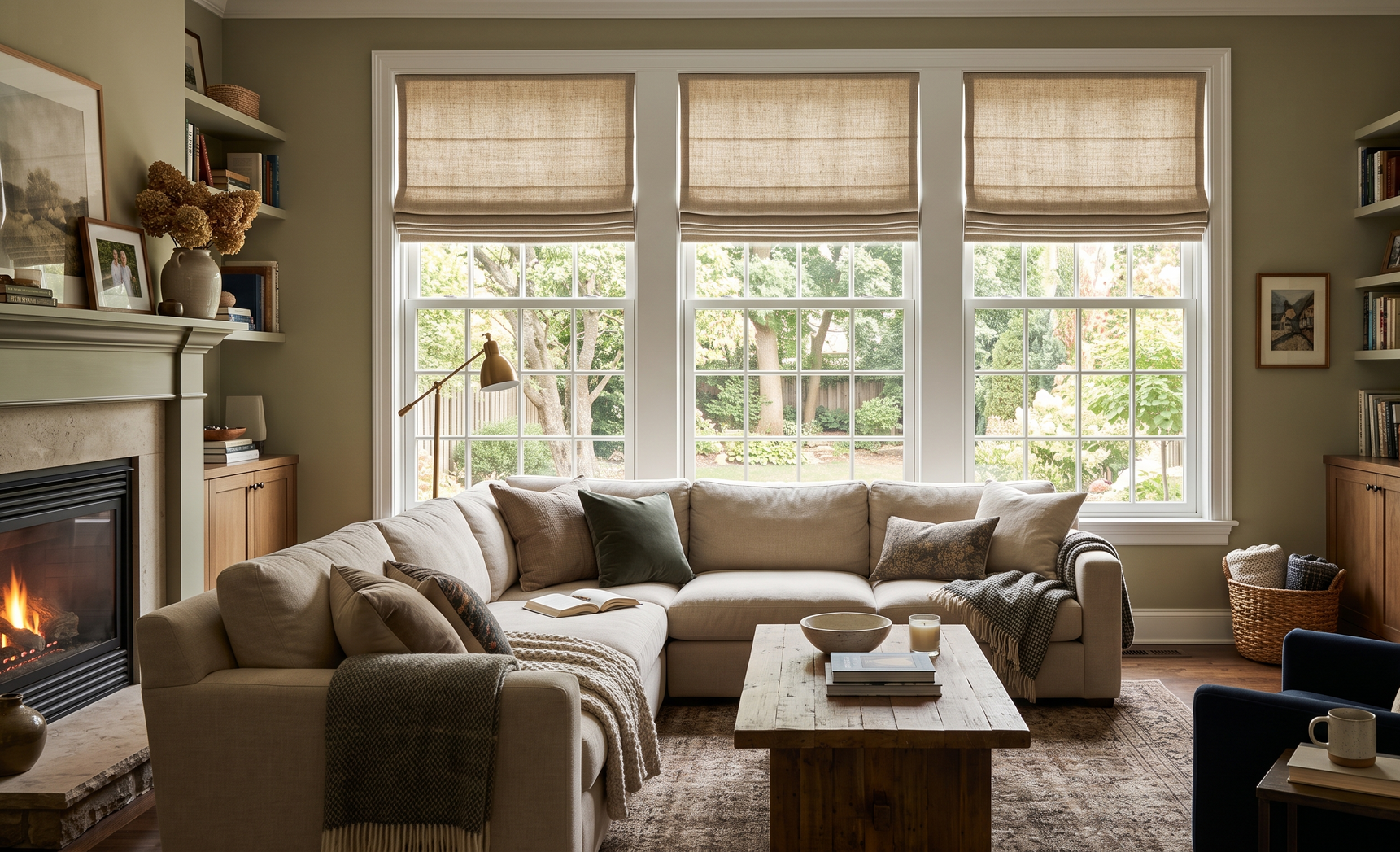
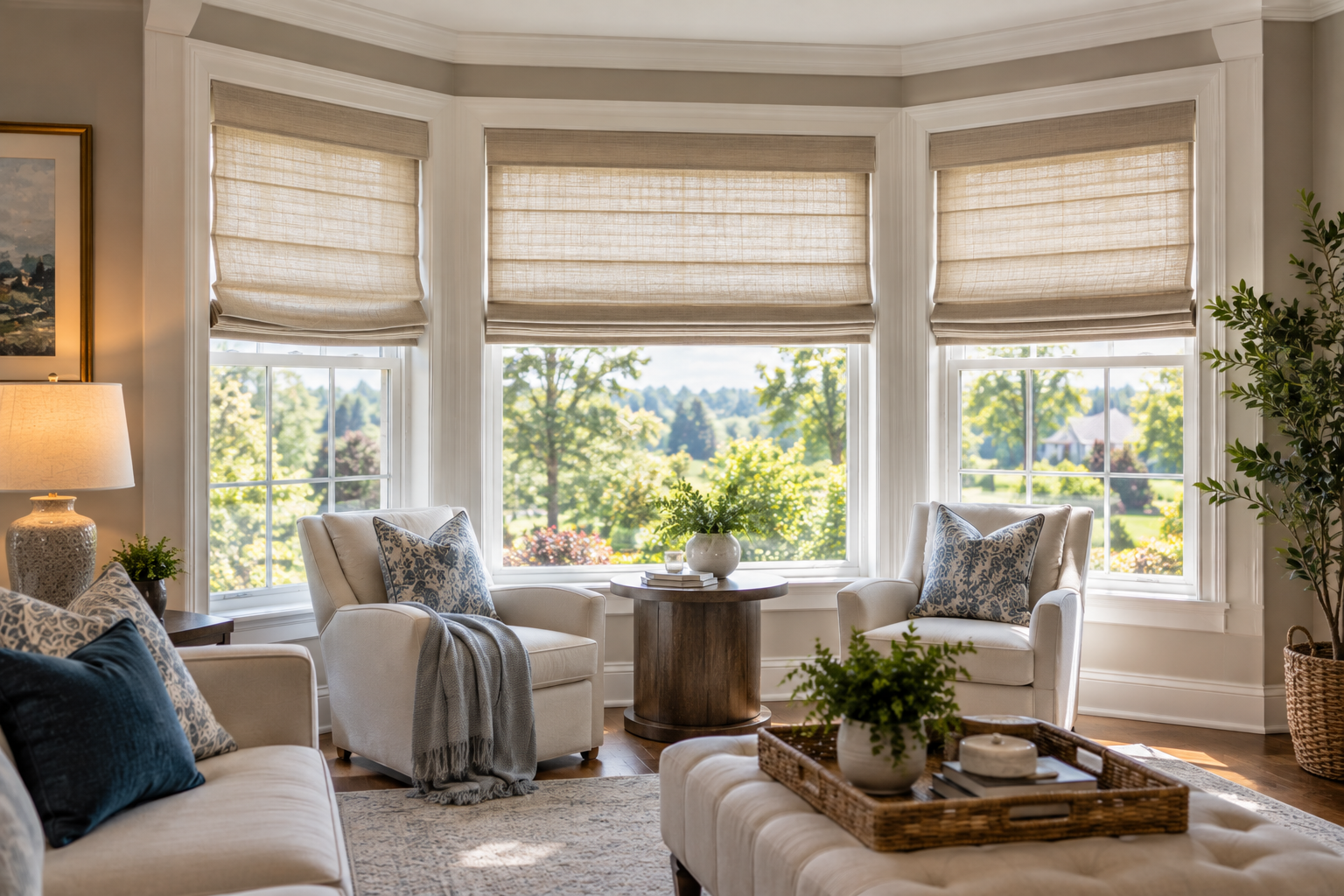
Roman Shades
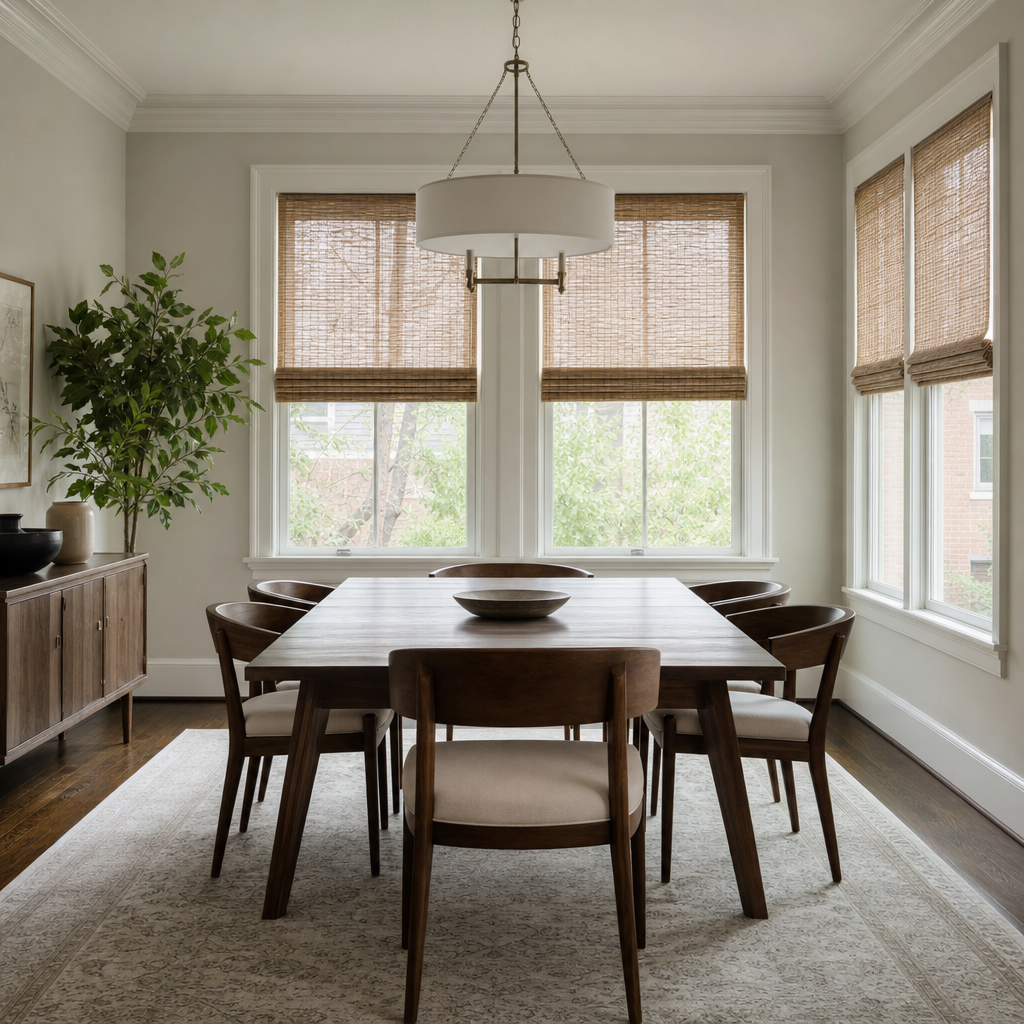
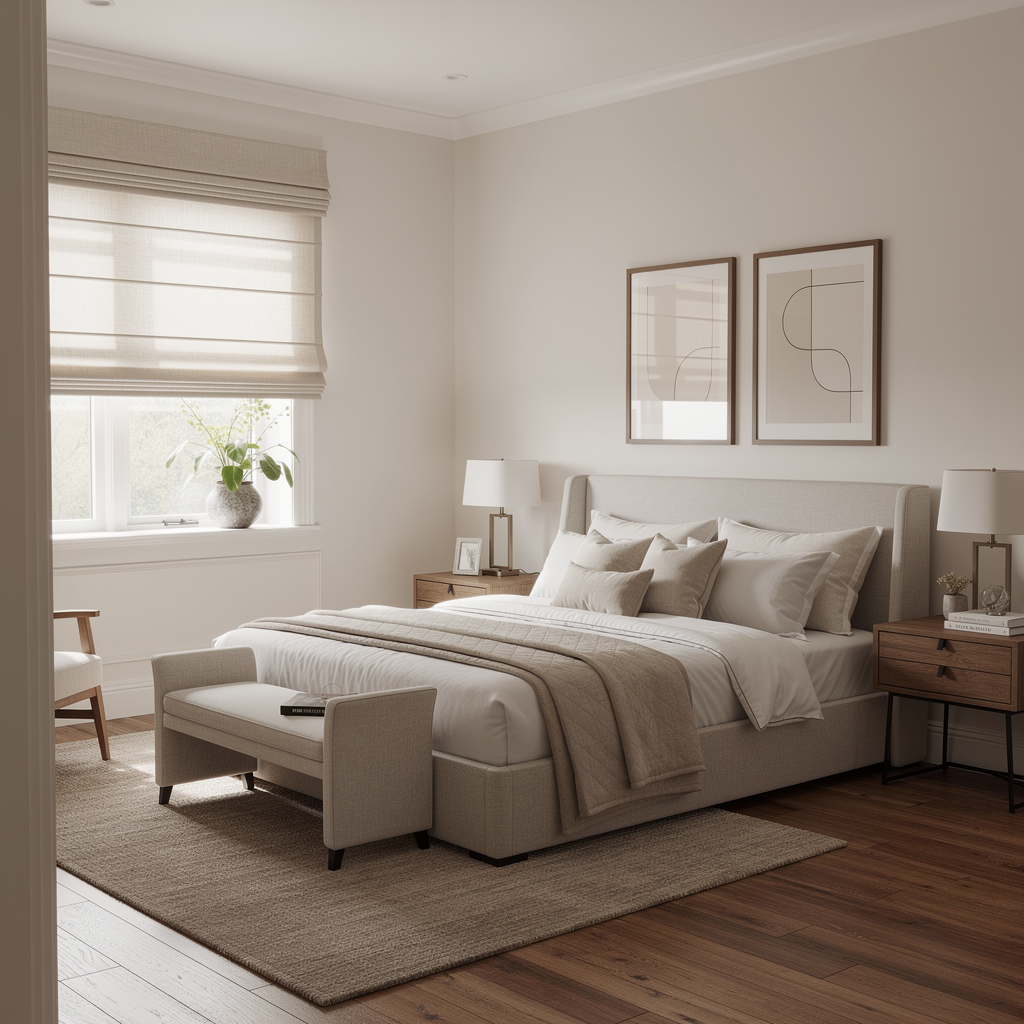
Roman shades combine the elegance of drapery with the functionality of a shade.
Their fabric folds create visual softness and dimension, making them a popular choice for living rooms, dining rooms, and bedrooms where style is a priority.

Should You Choose Blinds or Shades for Your Home?
The answer depends on your priorities.
Homeowners who want maximum light control often prefer blinds because the adjustable slats allow sunlight to be directed exactly where they want it.
Homeowners who prioritize softness, insulation, and decorative appeal often prefer shades.
Many Louisville homeowners ultimately choose a combination of both throughout their home.
For example:
- Faux wood blinds in kitchens and bathrooms
- Cellular shades in bedrooms
- Solar shades in sunrooms
- Roman shades in dining rooms
- Vertical blinds on patio doors
Using different products in different rooms often creates the best balance of beauty and functionality.
Which Window Treatments Are Best for Privacy?
Privacy needs vary from room to room, but both blinds and shades can provide excellent privacy when selected properly.
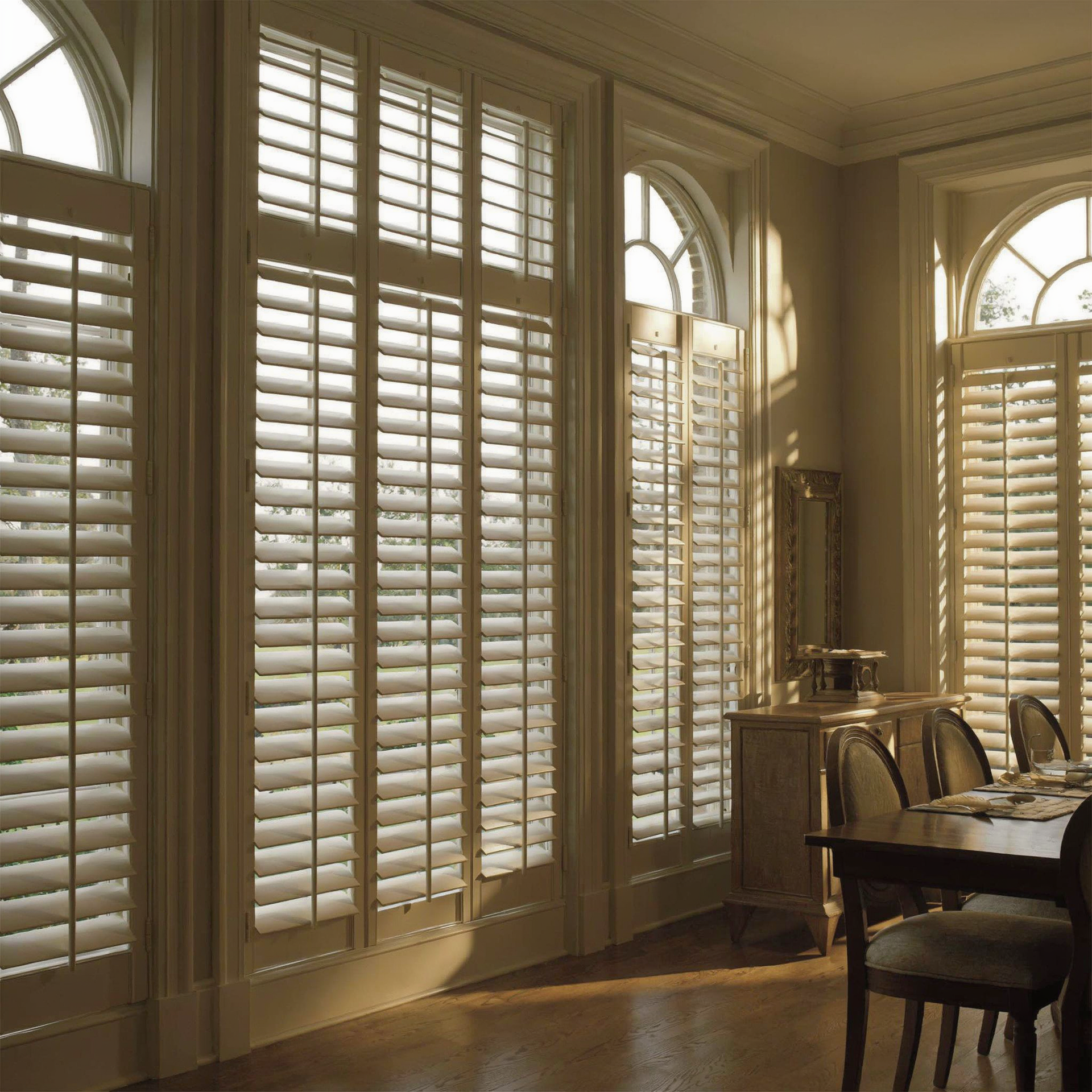
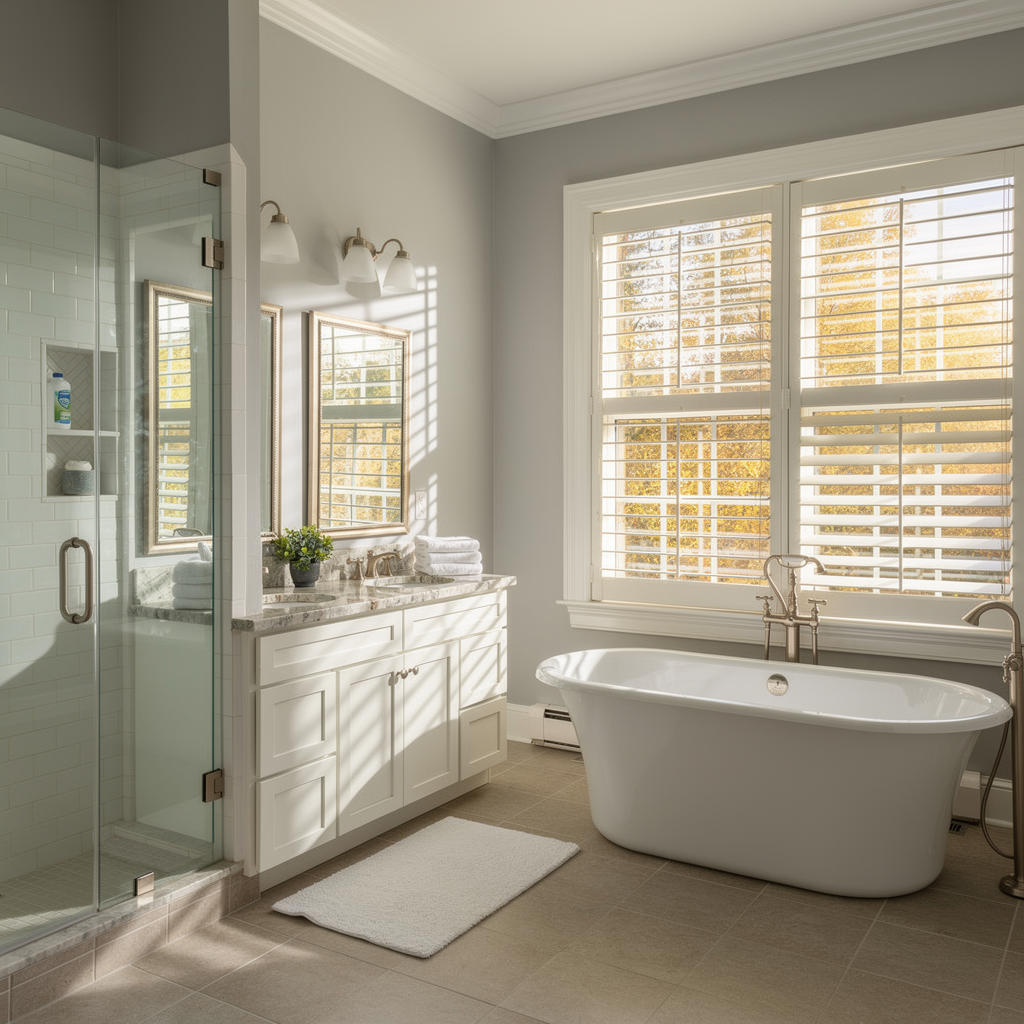
For bathrooms and street-facing windows, faux wood blinds and plantation-style products offer excellent privacy while still allowing filtered natural light.
For bedrooms, room-darkening roller shades and cellular shades provide additional privacy while supporting better sleep.
Many homeowners also choose layered window treatments, combining shades with drapery for maximum flexibility.

Which Window Treatments Are Best for Energy Efficiency?
Energy efficiency has become increasingly important for homeowners throughout Louisville and Lexington.
Cellular shades are widely considered one of the most energy-efficient window treatments available because of their insulating honeycomb design.
Solar shades can reduce heat gain and glare, while custom-fitted blinds help improve overall window coverage.
Choosing professionally measured and installed window coverings can further improve performance by minimizing gaps around the edges of the window.
Why Are Custom Window Blinds Better Than Store-Bought Options?
While store-bought blinds may seem convenient, custom window blinds provide significant advantages.
Custom window treatments are measured specifically for your windows, ensuring a precise fit and a more polished appearance.
Benefits of custom blinds include:
- Better light control
- Improved privacy
- Smoother operation
- Higher-quality materials
- Longer product lifespan
- Professional installation
Because every window is unique, custom solutions often deliver better results than off-the-shelf products.

Why Does Professional Measuring Matter for Window Blinds and Shades?
One of the biggest differences between a custom installation and a DIY project is precision.
Even small measuring errors can create:
- Light gaps
- Uneven operation
- Poor fit
- Reduced privacy
- Unattractive appearance
At Window Fashions on Wheels, Rebecca Farris personally measures each window and helps homeowners select products that fit both their windows and their lifestyle.
Professional installation ensures every blind and shade operates smoothly and looks finished from day one.
Why Do Louisville Homeowners Choose Shop-at-Home Window Treatments?
Choosing blinds and shades from a computer screen or warehouse shelf can be difficult because colors and textures often appear differently in person.
Window Fashions on Wheels brings the showroom directly to your home so you can compare materials, fabrics, and finishes in your own lighting.
During your consultation, Rebecca helps you evaluate:
- Light control needs
- Privacy concerns
- Color coordination
- Energy-efficiency goals
- Room function
This personalized process makes selecting custom window treatments easier and more enjoyable.
Ready to explore custom blinds and shades for your Louisville or Lexington home? Window Fashions on Wheels offers expert design guidance, professional measuring, and installation services tailored to your home and lifestyle. Rebecca Farris brings samples directly to you so you can confidently choose the perfect window treatments.
Schedule your free in-home consultation today!
Frequently Asked Questions About Window Blinds and Shades
Q: What is the difference between blinds and shades?
A: Blinds use adjustable slats to control light, while shades are made from continuous fabric that raises and lowers as one piece.
Q: Which is better, window blinds or shades?
A: Neither is universally better. Blinds provide greater light control, while shades often offer better insulation and a softer appearance.
Q: What are the most energy-efficient window shades?
A: Cellular shades are generally considered the most energy-efficient because their honeycomb design helps trap air and improve insulation.
Q: Are custom window blinds worth the investment?
A: Yes. Custom blinds provide a better fit, improved appearance, longer durability, and professional installation compared to most store-bought options.